The energy transition in Latin America and the Caribbean requires moving toward more resilient, sustainable, flexible, and interconnected power systems capable of leveraging the complementarities between countries' energy resources. South America offers significant interconnection opportunities, stemming from the diversity of its energy matrices, demand profiles, and existing and planned infrastructure across the subregion. Tapping into these complementarities can help build more resilient power systems, expand opportunities for energy exchange, and strengthen the region's economic and productive integration.
Against this backdrop, Bolivia has the opportunity to play a strategic role in building a regional energy integration agenda, strengthening dialogue with neighboring countries and promoting initiatives around electrical interconnection, energy exchange, coordinated planning, and regulatory harmonization. Bolivia's Ministry of Hydrocarbons and Energy has expressed its interest in advancing this agenda together with its counterpart ministries, laying the groundwork for multilateral cooperation aimed at strengthening energy security and the development of regional markets.
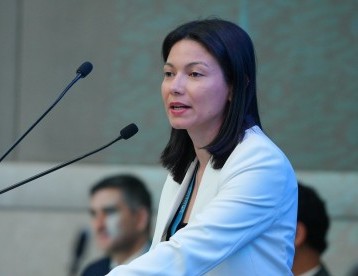
The dialogue will bring together Bolivian authorities, representatives from regional and international organizations and technical experts from the electricity sector, around a central question: what actions should countries in the region pursue in the coming months to move toward concrete electrical integration?. The session will aim to identify synergies between Bolivia and its neighboring countries and define priority actions to turn political agreements into concrete regional energy integration projects.